
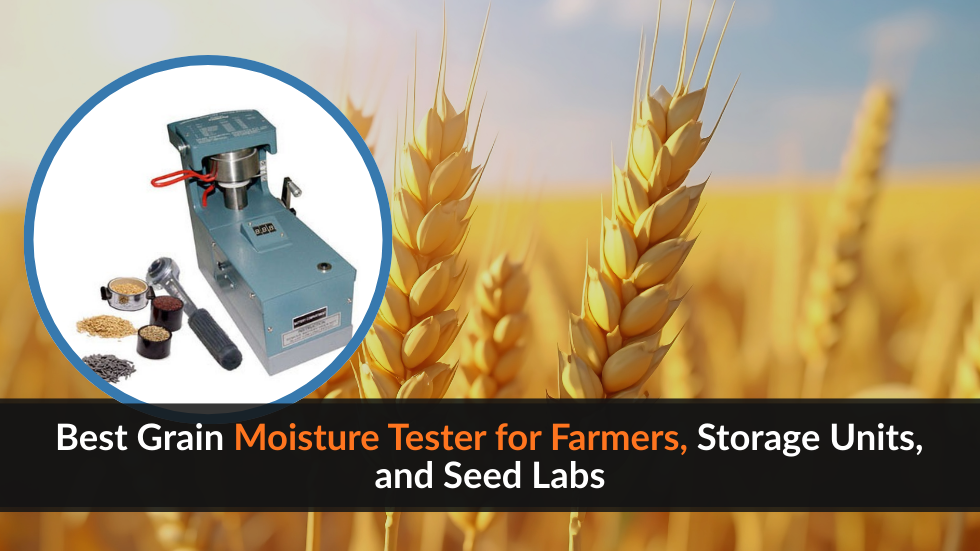
Best Grain Moisture Tester for Farmers, Storage Units, and Seed Labs
Grain quality is the backbone of profitable agriculture. Whether you are a farmer preparing your harvest for the market, a storage facility responsible for preserving bulk grains, or a seed laboratory maintaining strict quality standards, accurate moisture testing is essential.
Too much moisture leads to fungal growth, insect attacks, foul odor, and heavy financial losses. Too little moisture, on the other hand, causes shrinkage and weight reduction, lowering the final value of the produce.
That’s why choosing the best grain moisture tester is not just a technical decision — it is a smart investment in quality, safety, and profitability.
In this guide, we’ll explore why moisture testing matters, what features to look for, and how modern moisture testers from reliable manufacturers like Indosaw Agri help farmers and seed professionals achieve consistent results.
Why Grain Moisture Matters More Than Ever
Grains continue to respire even after harvesting. If moisture remains high, biological reactions speed up, generating heat and damaging the grain. This leads to:
- Mould and fungus development
- Pest infestation
- Mycotoxin formation (harmful for humans and livestock)
- Lower market price
- Loss of storage capacity
- Rejection from quality control units
For seed laboratories, incorrect moisture content can directly affect germination rate, seed shelf life, and performance during sowing.
Because of all these reasons, experts across agriculture agree that the best grain moisture tester is a must-have tool for anyone handling cereals, oilseeds, and pulses.
What Makes a Moisture Tester “The Best”?
Not every moisture tester delivers the same accuracy. When choosing the best grain moisture tester, focus on the following essential features:
High Measurement Accuracy
Precision is critical. Even a small deviation can lead to major losses. The tester should provide accurate readings with minimal error margins.
Fast and Consistent Results
Farmers and processing units cannot wait for long lab procedures. A good tester delivers quick results while maintaining consistency from sample to sample.
Easy to Operate
Digital displays, simple controls, and user-friendly instructions make testing easier for everyone from field workers to trained technicians.
Wide Grain Compatibility
The ideal moisture tester should support multiple crops such as wheat, paddy, maize, barley, soybean, sunflower, and pulses.
Durable and Reliable
Agricultural environments can be rough. The best moisture testers are built with strong housing and long-lasting components.
Suitable for Field and Laboratory Use
The instrument should perform equally well in farms, storage godowns, procurement centers, and seed labs.
When these requirements are fulfilled, farmers and organizations gain confidence that their moisture readings truly represent grain quality.
Why Indosaw Agri Moisture Testers Stand Out
Indosaw Agri has built a strong reputation in agricultural technology, offering advanced machinery designed for precision, durability, and user convenience. Their grain and seed testing solutions are widely trusted by:
- Research institutions
- Government procurement agencies
- Universities
- Seed processing plants
- Warehouses and storage units
- Private farms and agri businesses
Indosaw moisture testers are engineered to help users determine moisture content with high accuracy, making them one of the best grain moisture tester options available in the market.
Some key advantages include:
- Precise digital readings
- Strong quality control standards
- Consistent results across different grain varieties
- Robust design suitable for demanding environments
- Support for agricultural testing standards
By integrating modern technology with practical usability, these testers help minimize losses and enhance crop value from harvest to storage.
Benefits of Using the Best Grain Moisture Tester
Better Harvest Decisions
Farmers can decide the perfect time to harvest. If moisture is high, they can delay harvesting to avoid spoilage.
Safe Storage Conditions
Storage units can regularly monitor grain conditions and prevent heating, rotting, or contamination.
Improved Seed Quality
Seed labs can maintain ideal moisture levels to protect germination and viability.
Higher Profits
Accurate testing reduces rejection, protects weight value, and ensures buyers pay the right price.
Compliance With Standards
Quality certification authorities often require moisture test records. Using a reliable tester ensures compliance with guidelines.
How to Use a Grain Moisture Tester Effectively
To get the best results from any moisture tester:
- Collect a clean and representative sample.
- Avoid mixing different grain varieties.
- Remove stones, chaff, and foreign matter.
- Follow the recommended sample size mentioned in the manual.
- Calibrate periodically if required.
- Store the device in a safe, dry place.
When handled correctly, the best grain moisture tester delivers highly dependable readings that support better decision-making.
Final Thoughts
In modern agriculture, precision tools are no longer optional — they are essential. Moisture testing directly impacts grain safety, storage life, and market return. Whether you manage a farm, operate a storage facility, or work in a seed laboratory, investing in the best grain moisture tester ensures your produce remains safe, valuable, and market-ready.
With reliable agricultural solutions like those offered by Indosaw Agri, achieving accuracy and peace of mind becomes easier than ever.
If you’re looking to upgrade your grain testing equipment or want to explore advanced moisture testers designed for professional use, visiting Indosaw Agri can be a great place to start.
Let your grains stay protected — and your harvests stay profitable.